main website
- Switch to...
- Education Website
We have eyes on your solar
If you've heard about the recent solar rooftop fires at a school in Suffolk, please be assured that Solar for Schools has eyes on all its systems...
The fire in Suffolk was not one of our installations, and all schools we work with should rest assured that our monitoring and asset management are robust.
Solar for Schools manages and monitors almost 400 school solar installations across the UK. This includes systems we have installed ourselves, as well as systems we manage on behalf of schools but did not originally build.
The inverters we use have built-in safety measures that will turn them off if they overheat. The operating limit is usually 60°C so – while the UK is currently experiencing some extreme temperatures – we are confident that all our systems are safe.
Every one of our systems are checked visually – with someone physically on site – at least once a year, as part of our on-going maintenance.
What you may not know is that we also monitor every single system's performance 24/7 remotely, all year round. This helps us detect the signs of degradation before a failure occurs.
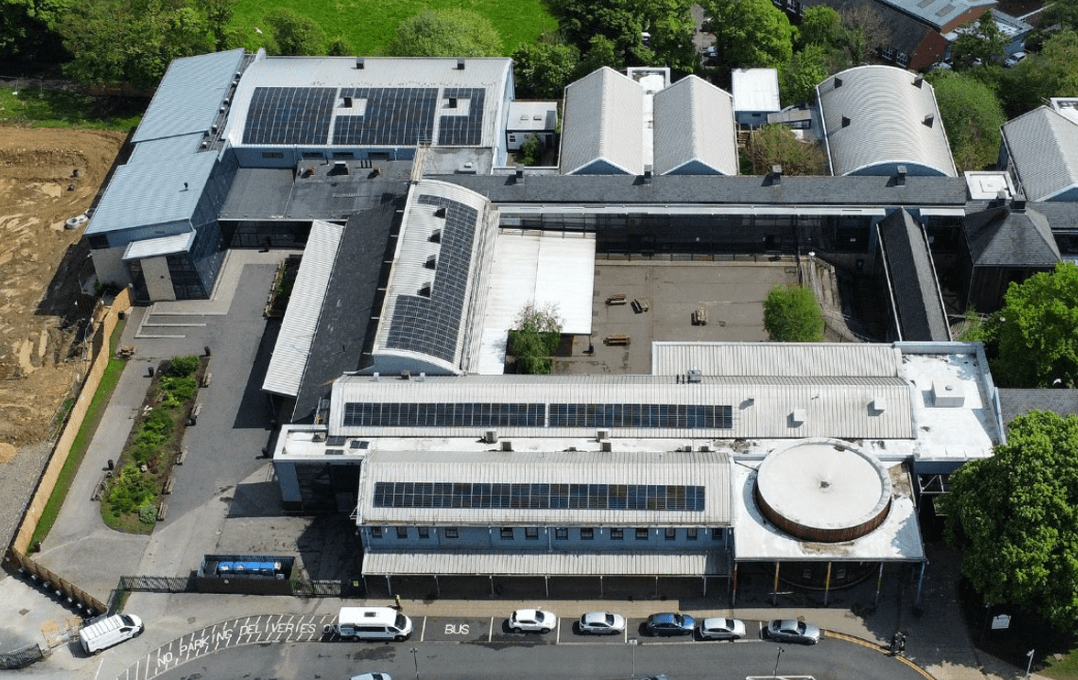
How solar-related fires can happen
Solar PV is designed to operate safely, and the inverters used in all our systems include built-in safety features.
When solar-related fires do occur, they are most often linked to either failed DC isolators or by the MC4 connectors which join the cables together between each panel. If loose, poorly-installed or poorly-maintained, these connectors can fail, and that could lead to a fire.
Regular inspection and ongoing monitoring are both vital, and our maintenance approach is designed to identify these kinds of issues early.
Any concerns?
If you are worried, or if you don't know when your school is due its annual inspection, please get in touch. We can tell you when we last visited to check your system and share with you our most recent report of your installation. We are also happy to share our fire risk assessment policy document.
We want every school to feel confident about their system and to get in touch with us if they are worried at any time.
You can call our main switchboard on 01376 428984 or email us by clicking below. This inbox is monitored by several members of our team.


Address
Osier House, Osier Way, Sible Hedingham, Essex, CO9 3FF United Kingdom
- +44 (0)1376 428984
- info@solarforschools.co.uk
We support the UN Sustainable Development Goals




© 2026 - Solar Options for Schools Ltd
Registered Company 9812345 VAT # GB232066930