main website
- Switch to...
- Education Website
From Coal to classrooms
What does the UK’s clean power transition means for schools and skills?
The UK’s electricity system has changed more in the past decade than many people realise.
In 2024, the UK became the first G7 country to completely phase out coal-fired power generation. That milestone demonstrated that a grid could run without coal, the next hurdle is doing it without gas. In April this year, the grid managed to run with just one or two gas-fired power stations. Meanwhile, work is continuing to enable the system to run completely without large-scale gas plant for several hours; an amazing step forward.
But eliminating gas completely will require a lot more effort.
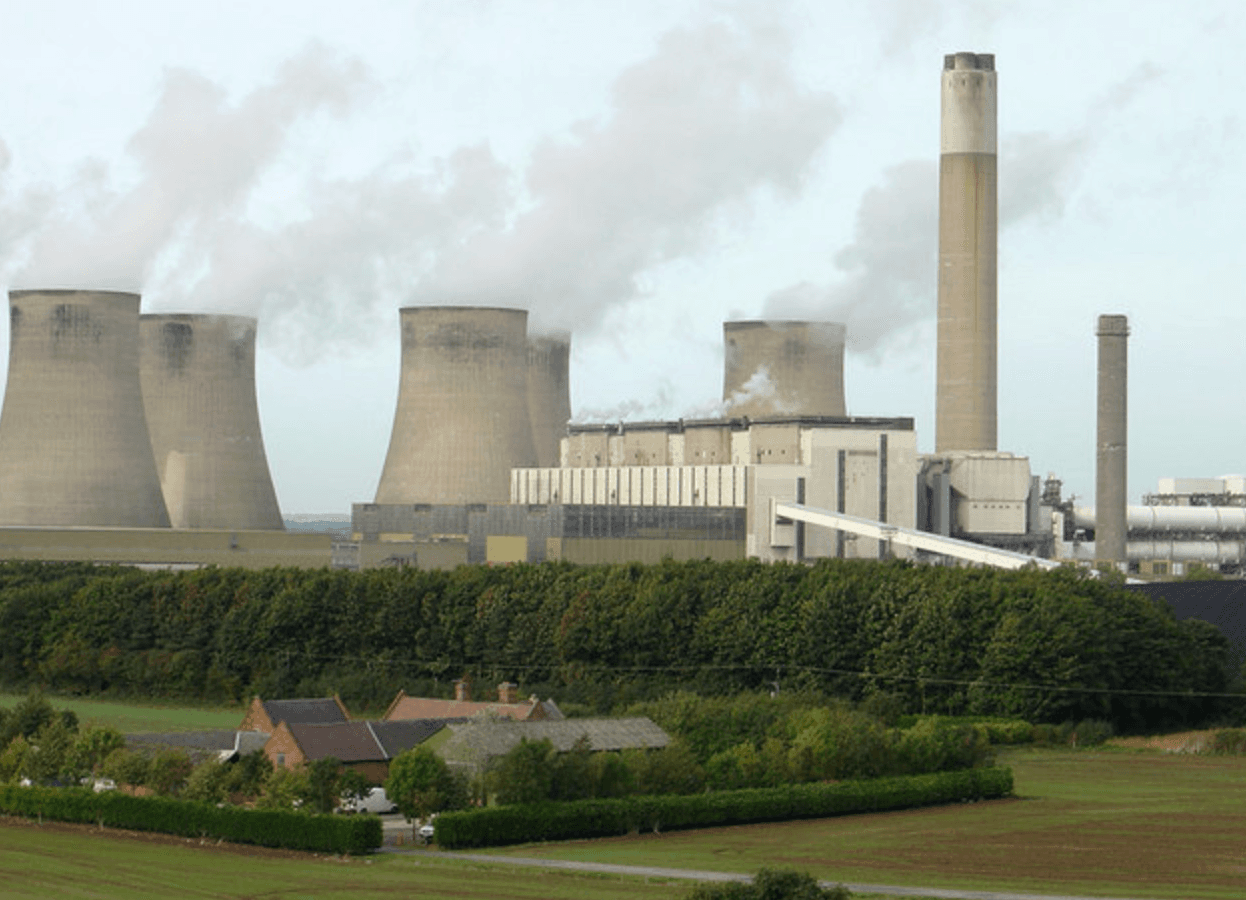
ABOVE: Ratcliffe-on-Soar Power Station in Nottinghamshire, which officially closed in September 2024, marking the end of 142 years of coal-fired electricity generation in the UK.
Clean power vision
The government’s Clean Power 2030 Action Plan builds on this progress. Its aim is to move to a system where clean sources provide the vast majority of electricity, with gas used only sparingly as backup.
In practical terms, this means around 95% clean electricity by 2030, with gas contributing no more than ~5% of generation in a typical year.
At the same time, electricity demand is expected to grow substantially, with projections suggesting it could double by 2050, from 322TWh today, as transport and heating infrastructure electrify and demand for AI infrastructure also increases.
What needs to be built?
To achieve this, the current plans indicate that by 2030 we need to reach:
43–50 GW of offshore wind (up from ~15GW today)
27–29 GW of onshore wind (up from ~15GW today)
45–47 GW of solar generation (up from ~16GW today)
23–27 GW of battery storage (up from ~5GW today, plus nearly 60GW pipeline)
4–6 GW of long-duration storage (currently 2.8GW of pumped hydro)
14 GW of interconnection to Europe (~10GW currently, more in development)
12 GW of demand-side flexibility (some will be provided by batteries)
While the technologies are proven, the primary challenge is delivery.
Grid applications for the above technologies add up to over 700GW, more than enough to deliver what is needed. The UK will need sustained investment of around:
£40–50 billion per year to 2030
£15-20bn/year in transmission and distribution network infrastructure to enable:
£25-30bn/year in generation capacity to be connected.
Market and energy prices
Wind and solar are already cheaper than mains electricity, so will help bring prices down, despite the required investment in transmission and distribution infrastructure. Electricity prices are still influenced by gas, even when gas provides only a portion of generation. This reflects how the current market is structured, rather than the underlying cost of renewable energy. As a result, policymakers are exploring reforms to reduce this dependency and better reflect the economics of a low-carbon system. They are also removing coal tax and renewable levies from electricity prices, to bring electricity prices down and enable industry and heat decarbonisation to flourish.
People power
Alongside more infrastructure and market reform, one other factor is absolutely key: people.
The scale of the transition implies a substantial expansion in the workforce required to deliver it. Current estimates suggest:
The UK clean energy workforce could grow from ~440,000 today
To around ~860,000 by 2030
An increase of over 400,000 jobs within the decade
This includes engineers, electricians, installers, system operators and a wide range of technical and digital roles, as well as many less obvious ones, such as Ornithologists, a lack of which is currently holding up many wind projects. It also includes the capacity needed to scale key technologies, such as heat pumps, where installation rates are expected to increase significantly from about 40,000 a year to over 400,000 per year. *
Why education matters
This workforce challenge brings education into sharp focus.
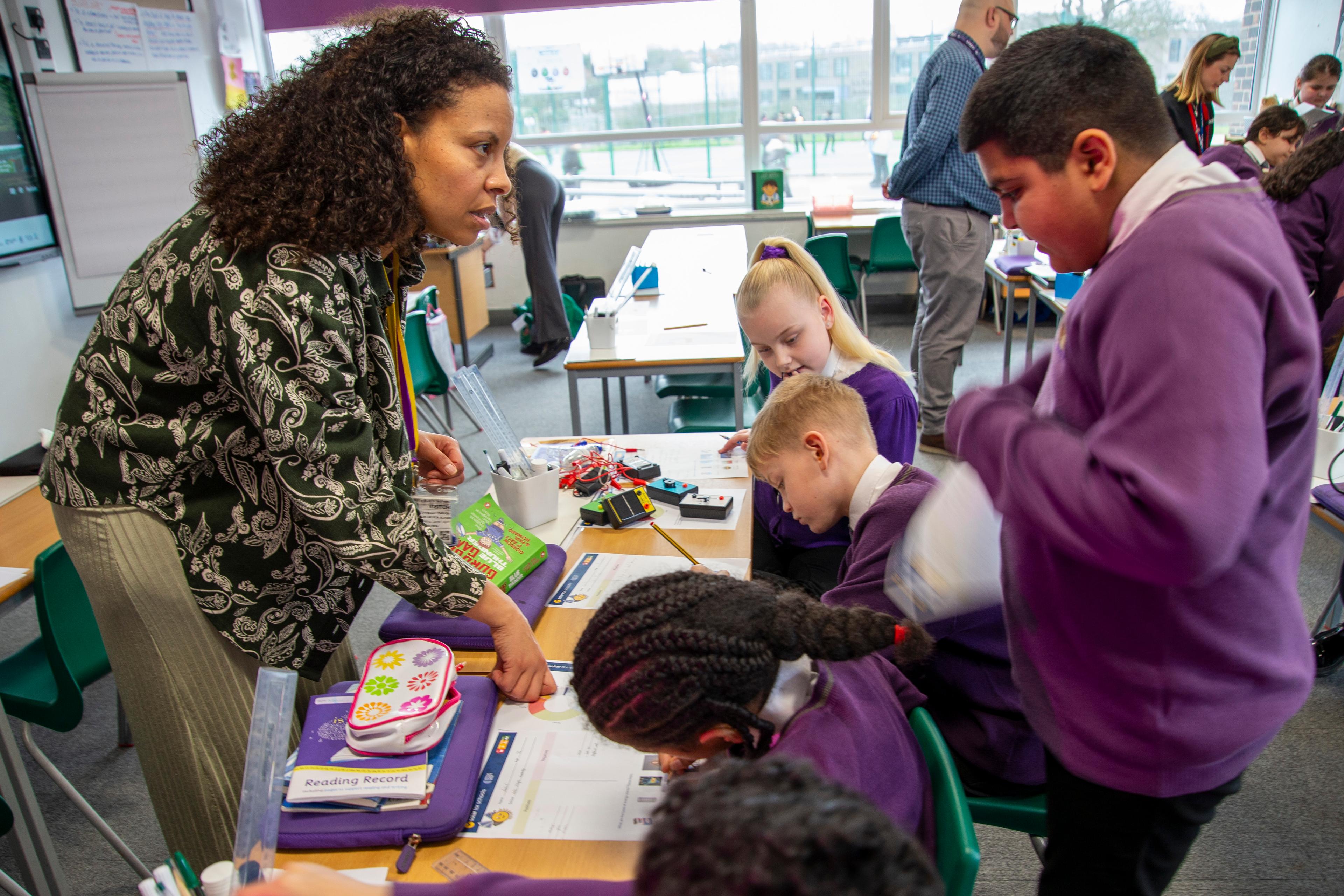
Schools and colleges are often discussed in terms of their energy consumption, but their role is far broader. Schools are where future engineers first encounter science, engineering and real-world applications of energy systems. If the UK is to meet its targets, it will need to ensure that more young people are aware of, and prepared for, careers in these fields.
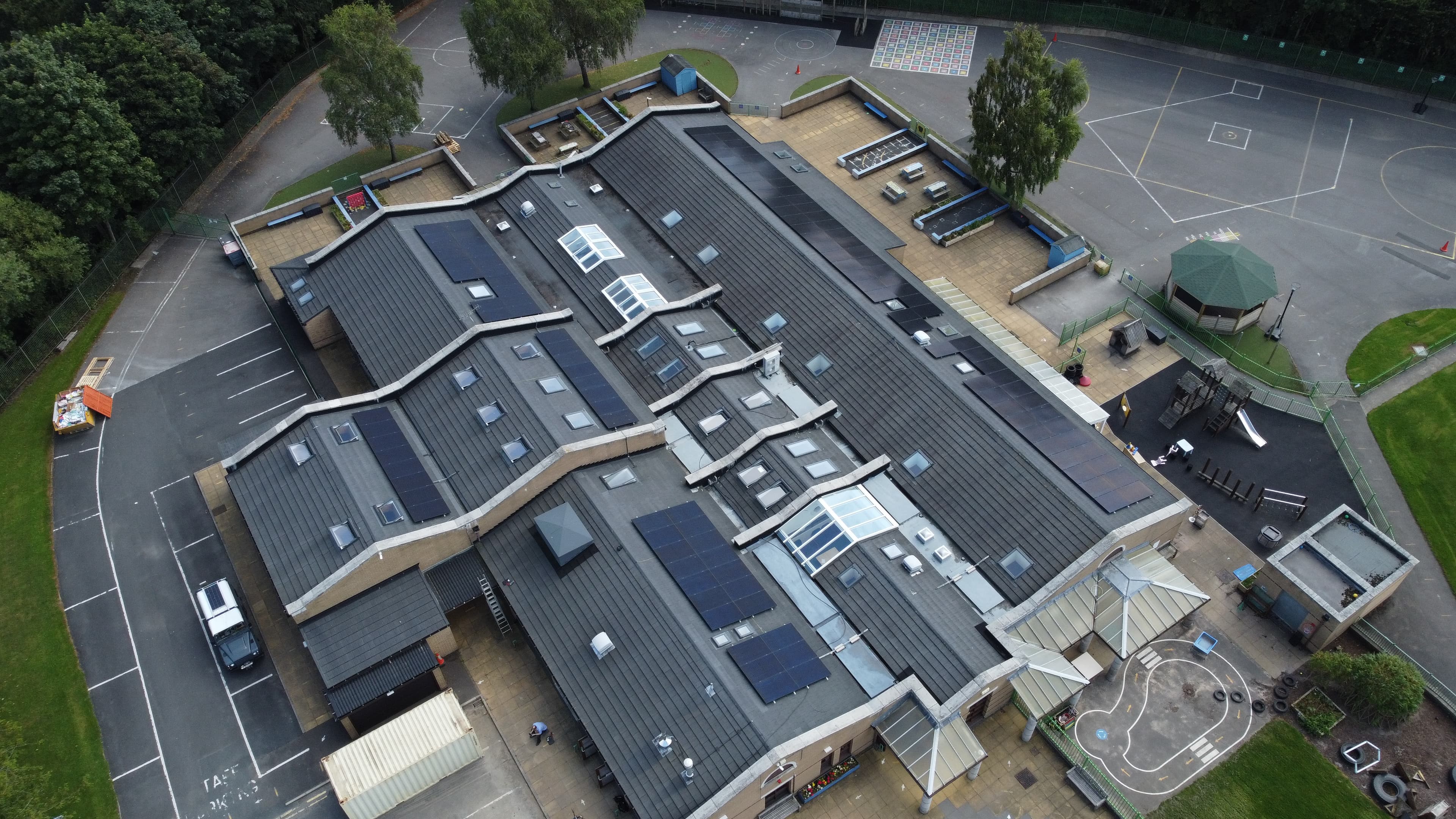
There is also a practical opportunity. The education estate itself represents a meaningful opportunity for renewable generation. Across England alone, schools have approximately:
55 million square metres of roof space
With the potential to support ~0.8–1.9 GW of solar capacity
This is not just about reducing energy bills. Installing renewable infrastructure on schools can make the transition visible and tangible. It provides a direct connection between the energy system and the people who will go on to design, build and operate it.
The rise of local energy
At the same time, government policy is increasingly recognising the importance of local and distributed energy. Through initiatives such as Great British Energy and the Local Power Plan, there is a commitment to:
Support over 1,000 local and community energy projects by 2030
Backed by up to £1bn of public investment
This reflects a broader shift in how the energy system is structured. The traditional model of large, centralised generation is being complemented by a more distributed approach, where public buildings, communities and local authorities play a more active role.
Reconfiguring the system
The transition is therefore not only about replacing one set of technologies with another. It is about reconfiguring the system itself — how energy is generated, how it is managed, and who participates in it.
Coal has already been phased out. Gas is beginning to play a less continuous role. The infrastructure is being built, and the policy direction is increasingly clear.
The remaining question is whether the UK can develop the workforce needed to deliver this transition at the required pace.
In that context, education is not a secondary consideration. It is central to whether the transition succeeds.
Our role
That is why what we do at Solar for Schools is so important. It is not the ~1GW of solar that schools could host, although it will save schools money and requires very little grid investment. It is not even the carbon reduction (the UK’s grid is already pretty clean).
It’s about inspiring young people to take up STEM subjects and get excited about jobs in renewable energy and related technologies (and some roles which don’t even exist yet…)

*The Government's 'Warm Homes Plan states a minimum of 480,000 per year. More info here.


Address
Osier House, Osier Way, Sible Hedingham, Essex, CO9 3FF United Kingdom
- +44 (0)1376 428984
- info@solarforschools.co.uk
We support the UN Sustainable Development Goals


© 2026 - Solar Options for Schools Ltd
Registered Company 9812345 VAT # GB232066930